ATS Job Portal Redesign
Comprehensive overhaul of the candidate-facing career portal — 30+ flows, white-labeled across hundreds of clients, serving 30M+ job seekers
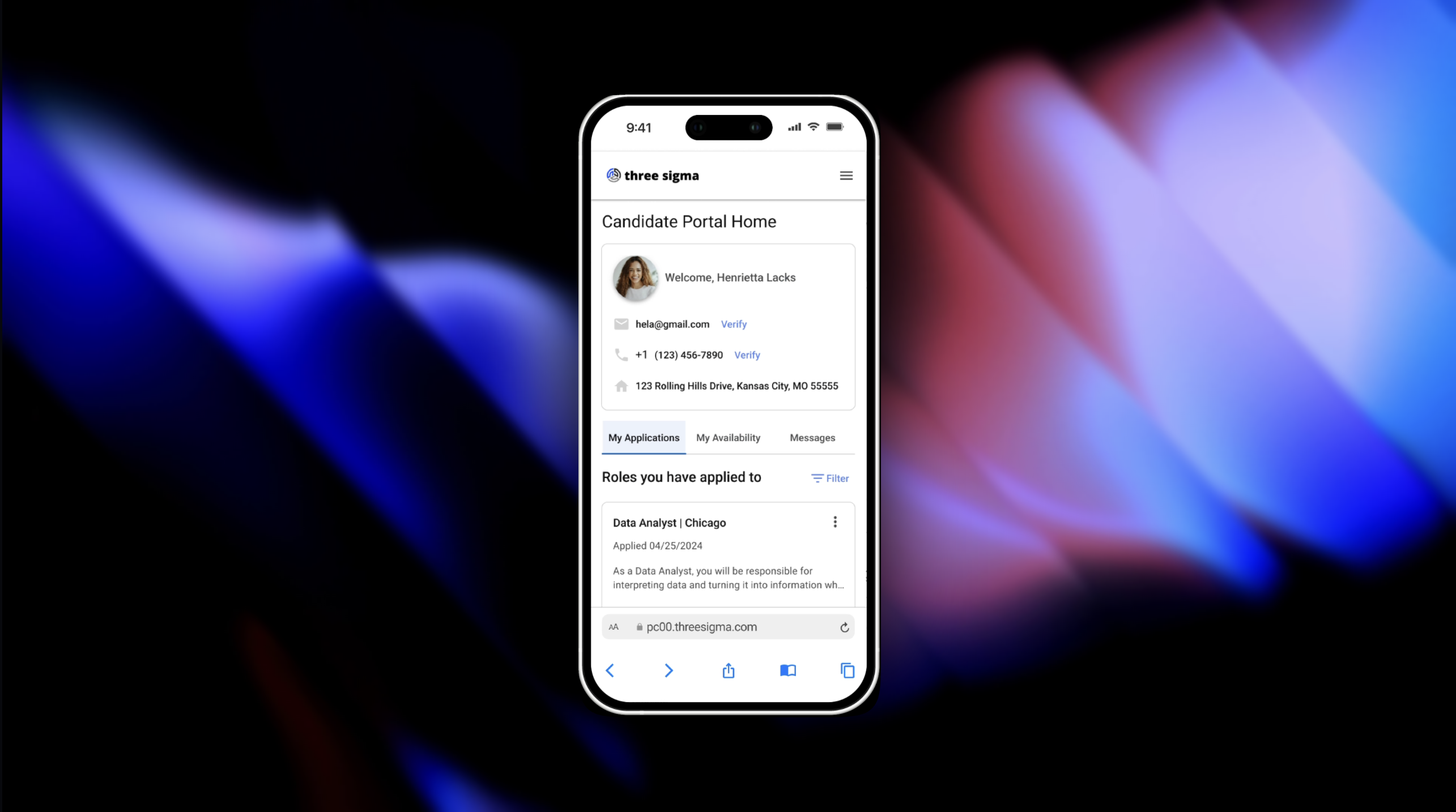
Led a comprehensive overhaul of the candidate-facing career portal for an enterprise ATS product. The portal is white-labeled by enterprise and mid-market clients, spanning 30+ flows and touchpoints, serving millions of job seekers globally.
Overview
Product: ATS (Applicant Tracking System)
Project Scope: A comprehensive overhaul of the candidate-facing career portal, spanning 30+ flows and touchpoints. This portal is white-labeled by enterprise and mid-market clients, serving millions of job seekers globally.
As the Lead Designer, I owned end-to-end user experience design, visual/UI design choices for mobile and desktop, cross-functional collaboration, research, and strategy.
The Problem
The existing ATS career portal had multiple disjointed screens leading to confusion and drop-offs. Only ~50% of the customer base actively used the ATS product, and candidate and recruiter satisfaction scores were lagging due to clunky workflows.
Challenges
| Challenge | Detail |
|---|---|
| Outdated & Inconsistent UI | Multiple disjointed screens leading to confusion and drop-offs |
| White-labeling Requirements | Solution needed to be highly customizable to reflect each client's brand identity |
| Complex User Journeys | Job searching, talent communities, applications, and post-application management all needed seamless navigation |
| Low Adoption & Satisfaction | Only ~50% of the customer base actively used the ATS product |
Business Need
By creating a more usable and clean career portal experience, the aims were to:
- Increase ATS Adoption — Encourage more customers to enable and use the product
- Enhance Candidate Satisfaction — Remove friction in the application process, leading to higher conversion rates and better brand perception for clients
- Enable Client Customization — Deliver a white-labeled solution that large-scale enterprises and smaller companies alike could effortlessly brand and adapt
The company's ATS is used by companies of all sizes — from small businesses to large enterprises — to manage their recruiting process. The candidate-facing career portal needed a modern, intuitive, and adaptive overhaul to meet escalating user expectations and to stay competitive in the B2B SaaS market.
My Role & Responsibilities
As the Lead Designer, my responsibilities spanned six key areas:
- Research & Discovery — Stakeholder interviews, competitor benchmarking, sentiment testing
- Ideation & Design — End-to-end UX and visual design for mobile and desktop
- Design System Adaptation — Pushing boundaries to accommodate white-labeling needs
- Validation & Testing — Moderated user testing and rapid iteration
- Cross-functional Collaboration — Preemptive brainstorms with dev teams, ongoing check-ins with PMs
- Communication & Stakeholder Management — Keeping everyone aligned and informed
Design Process
Research & Discovery
Started with stakeholder and user interviews to surface pain points from recruiters, hiring managers, and candidates. Ran competitor benchmarking to identify industry-standard features and design patterns.
Used Optimal Workshop for sentiment testing — gauging immediate reactions to the old portal vs. redesigned concepts, as well as competitor experiences. This early feedback guided prioritization of key areas like the search flow and application steps.
Sentiment Testing Results
via Optimal WorkshopEarly sentiment data guided prioritization of search flow and application steps
Brainstorming & Feasibility Check
Hosted preemptive brainstorms with dev teams to explore UX enhancements and validate technical feasibility. This early engagement helped secure buy-in and reduced surprises down the line.
Paired with another designer to sketch out future-state concepts, focusing on the end-to-end candidate journey — from job discovery through post-application engagement.
Wireframing & High-Fidelity Design
Created both mobile and desktop versions from the start, ensuring the experience was fully responsive. Strategically pushed the boundaries of the design system to accommodate white-labeling needs.
Career Portal Flows
Key design decisions:
- Adaptive Layouts — Mobile and desktop designed simultaneously, not as an afterthought
- Design System Integration — Introduced new component variations and color theming options for white-labeling
- Component Library Updates — Partnered with the design system team to document new/modified components for developer implementation
White-Label Theming
Testing & Iteration
Conducted moderated sessions via UserTesting.com to validate revamped flows — focusing on sign-up, job search, application, and post-application engagement.
Gathered user feedback on clarity, speed, and error prevention, then iterated on the design to address top issues like confusing navigation and overloaded form fields.
Final Specifications & Handoff
Delivered interactive prototypes and detailed specs covering interaction states, accessibility standards, and responsive behavior. Maintained ongoing touchpoints with PMs and devs to address roadblocks and ensure on-time delivery.
Impact & Results
Impact Overview
Candidates Served
30M+across client portals
Flows Redesigned
30+end-to-end touchpoints
CSAT Improvement
↑marked improvement post-launch
Time to Market
↓reduced via dev collaboration
Key Outcomes
- High Traffic, Global Reach — Over 30 million candidates now interact with the redesigned portal across hundreds of client-branded experiences
- Improved Satisfaction Metrics — Post-launch feedback from alpha/beta customers showed higher CSAT scores, validating the modernized and streamlined UI
- Positive Dev Reception — Robust documentation and early collaboration helped developers quickly implement changes, reducing time to market
- Enhanced Brand Perception — The polished design raised the bar for the entire HCM suite, emphasizing usability and modern design principles
Reflection
This two-month initiative not only modernized a critical piece of the ATS offering but also demonstrated the value of early and consistent cross-functional alignment — from dev feasibility checks to design system enhancements. By keeping business objectives at the forefront and actively listening to candidate feedback, the team delivered an experience that was both user-centric and business-impactful.
Key Takeaways
Preemptive brainstorming with dev leadership reduced technical roadblocks and fostered strong buy-in from the start.
Adapting established components for a white-labeled platform underscored the importance of design system flexibility. The system paid for itself quickly as new features became faster to design and build.
Employing user testing and sentiment analysis throughout kept the redesign on track to meet real user needs rather than assumptions.
Frequent updates to PMs and stakeholders ensured everyone stayed informed and supportive — no surprises at handoff.
Gallery


